Executive Summary
Designing the Future of BT
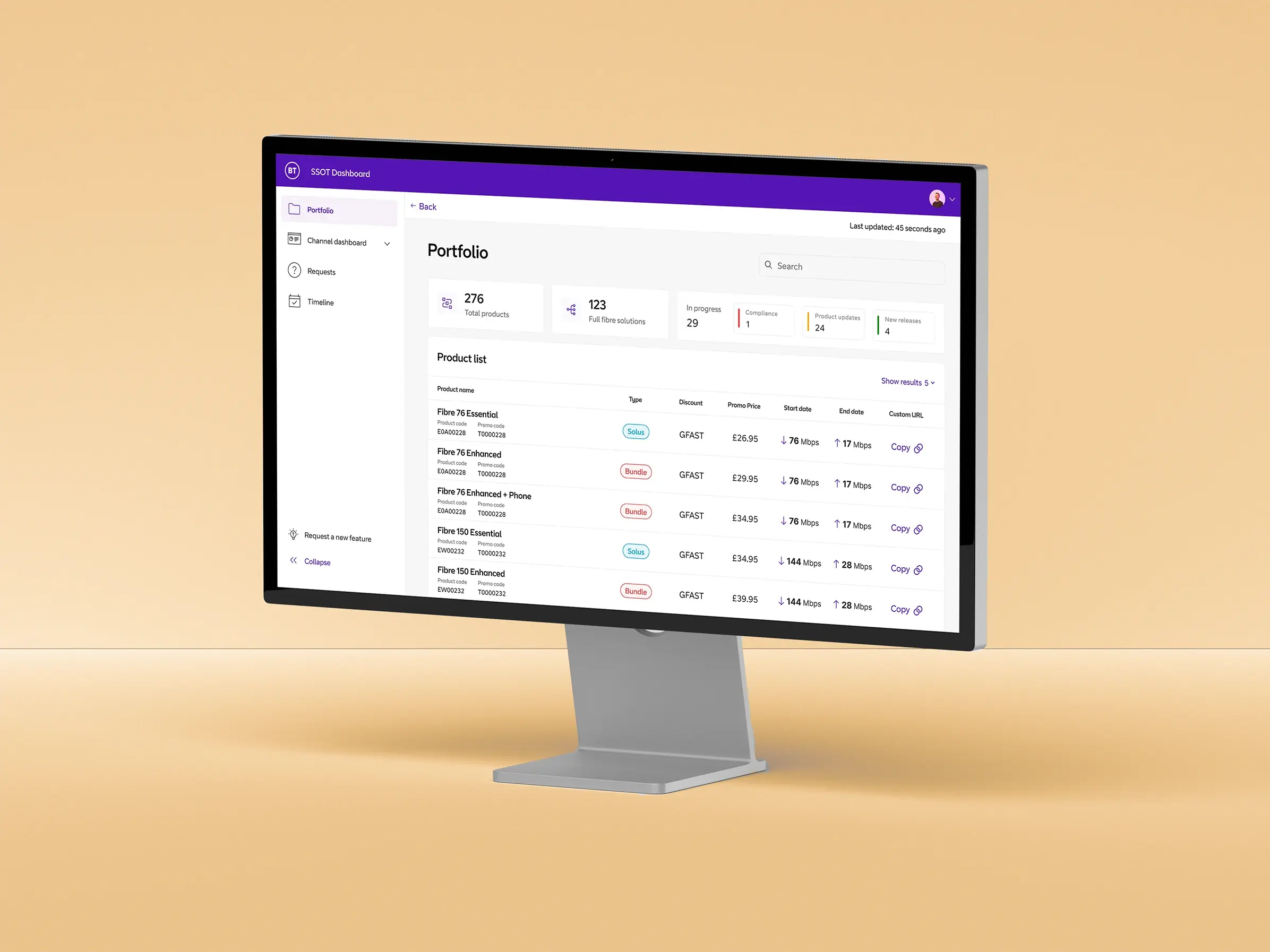
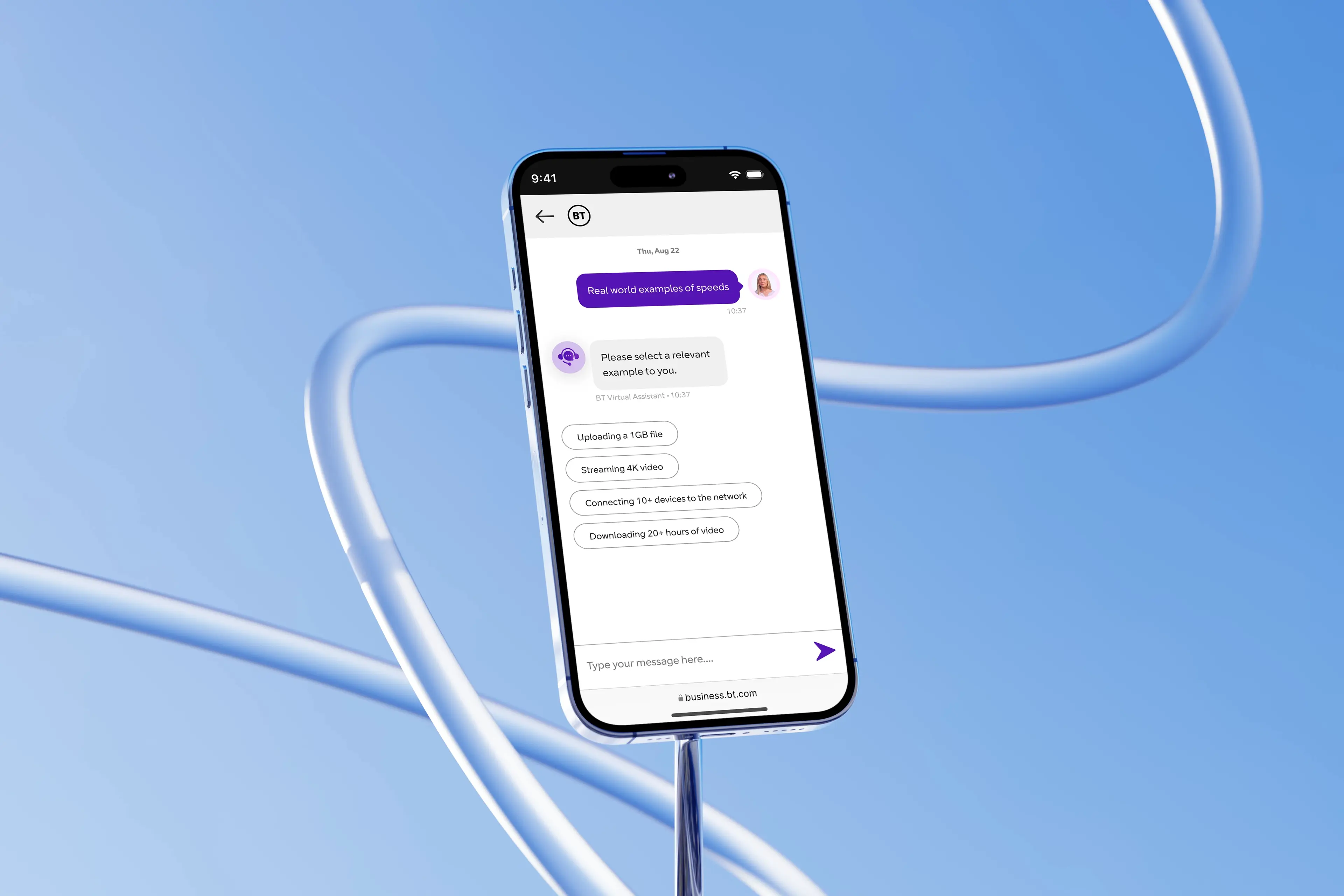
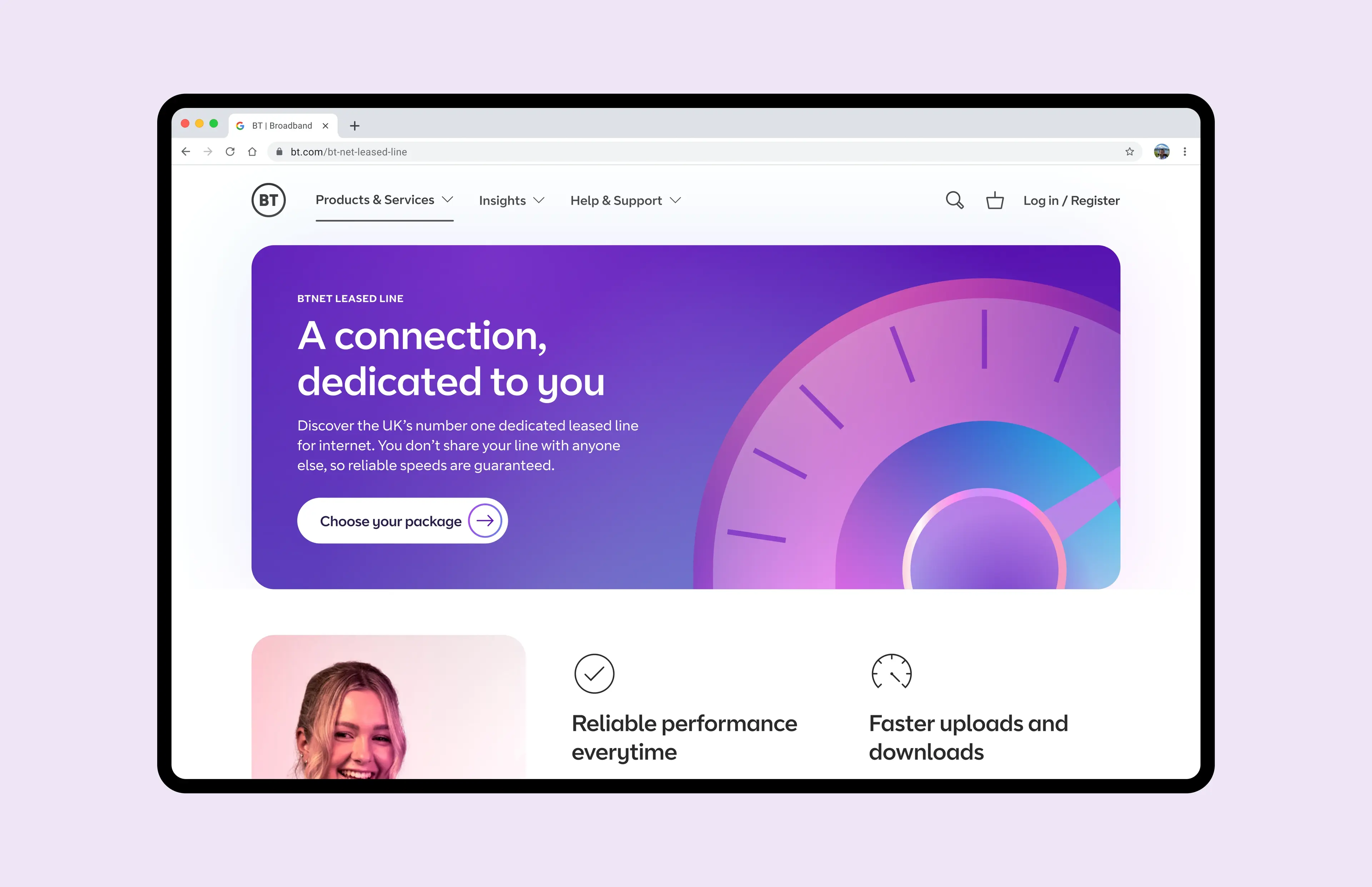
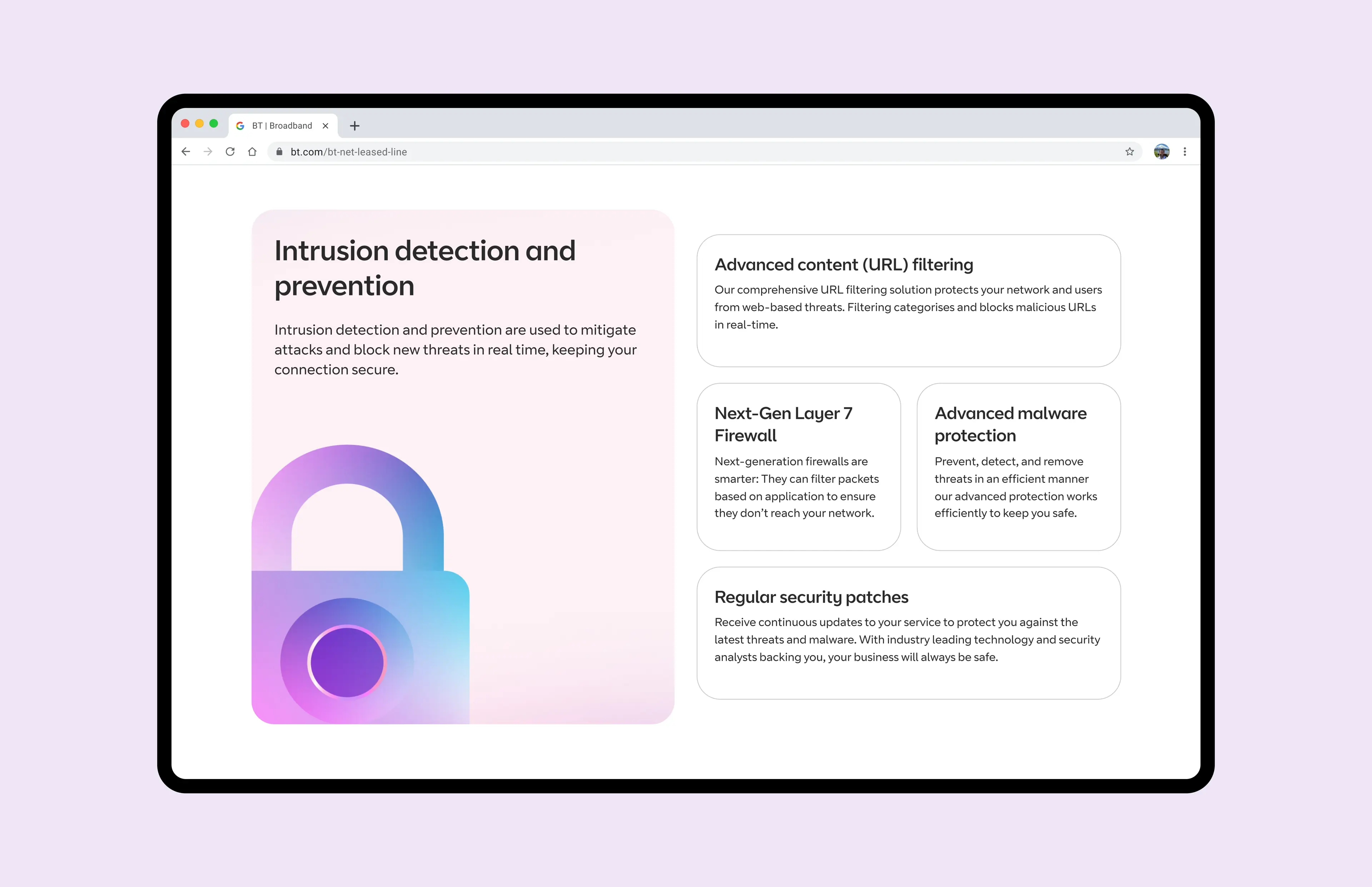
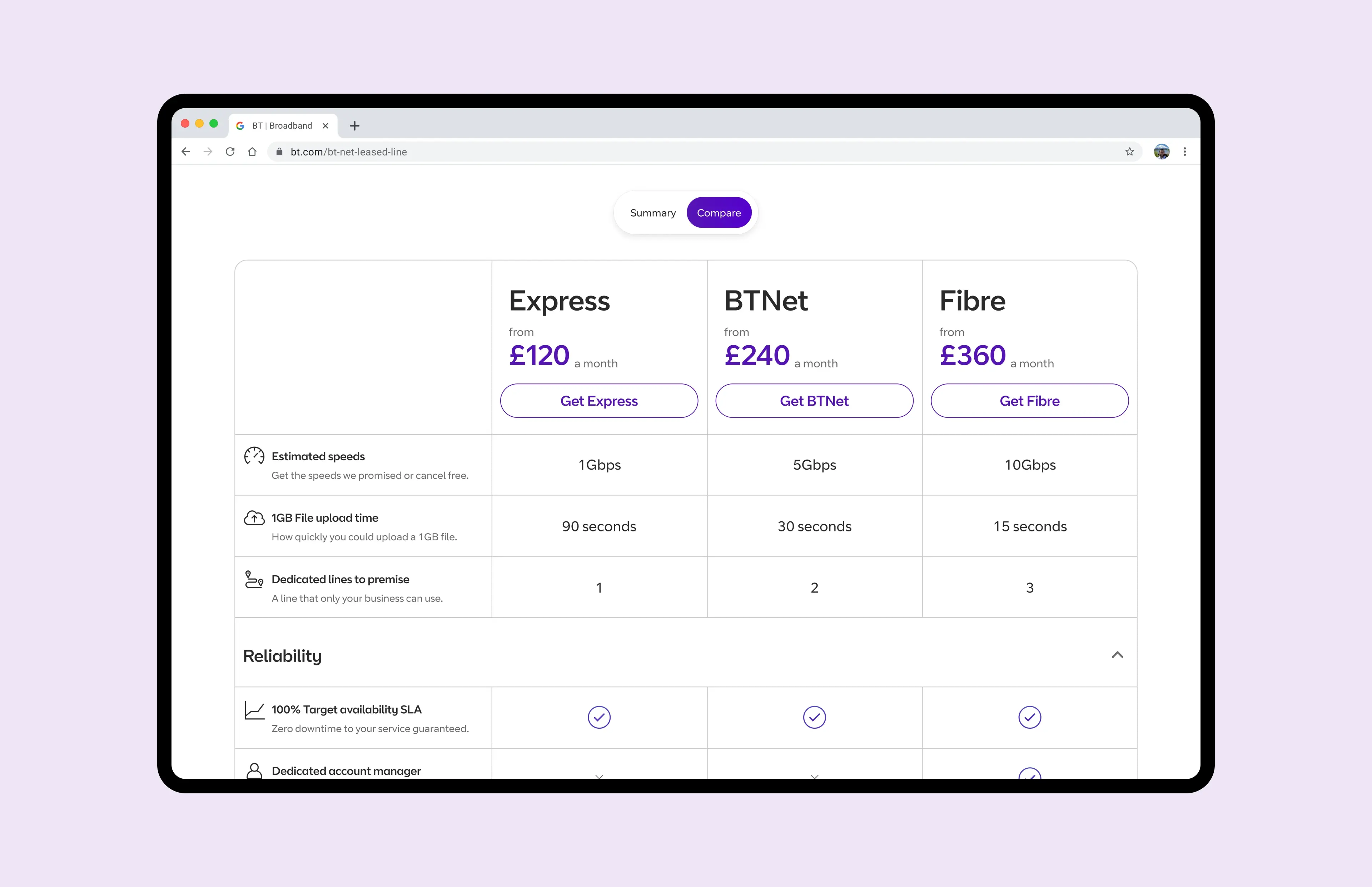
This was a proper blue-sky brief: rethink BT's web experience from the ground up across 100+ pages, and explore where emerging technology like AI assistants and conversational UI could genuinely add value. The tricky part was validating work without any clear success metrics, so we built our own testing framework from scratch. The design system we produced was picked up across three product lines, and the concept work was cited by Director-level leadership as direct roadmap inspiration.
Primary Role
Lead Designer
Team
Lead Designer
2 x Designers
1 x Content Designer
4 x Developers
Type
Design Strategy
Disciplines
Design Systems, AI Design
The Challenge
Re-Imagining 100+ Pages and Integrating Emerging Technology
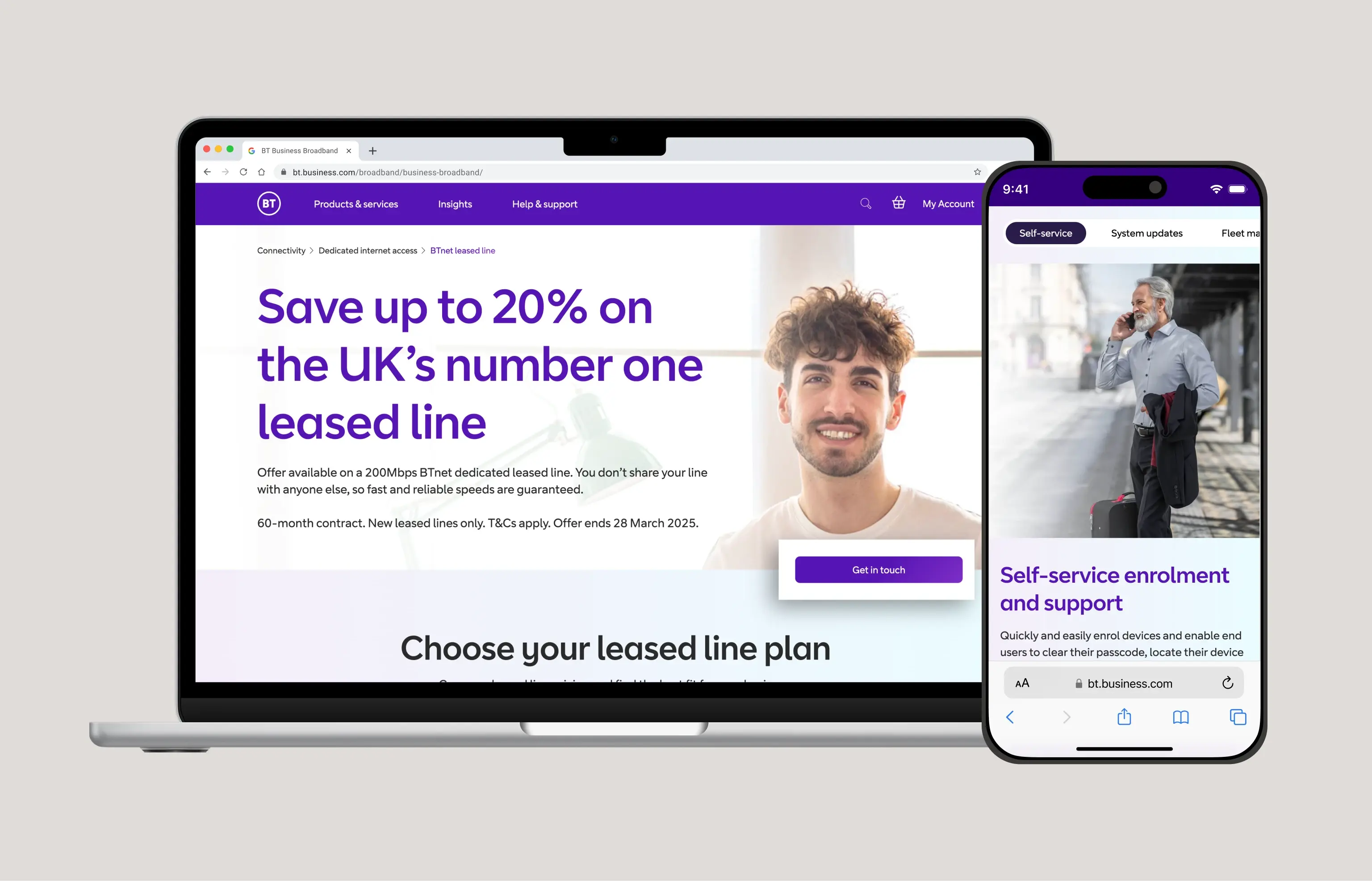
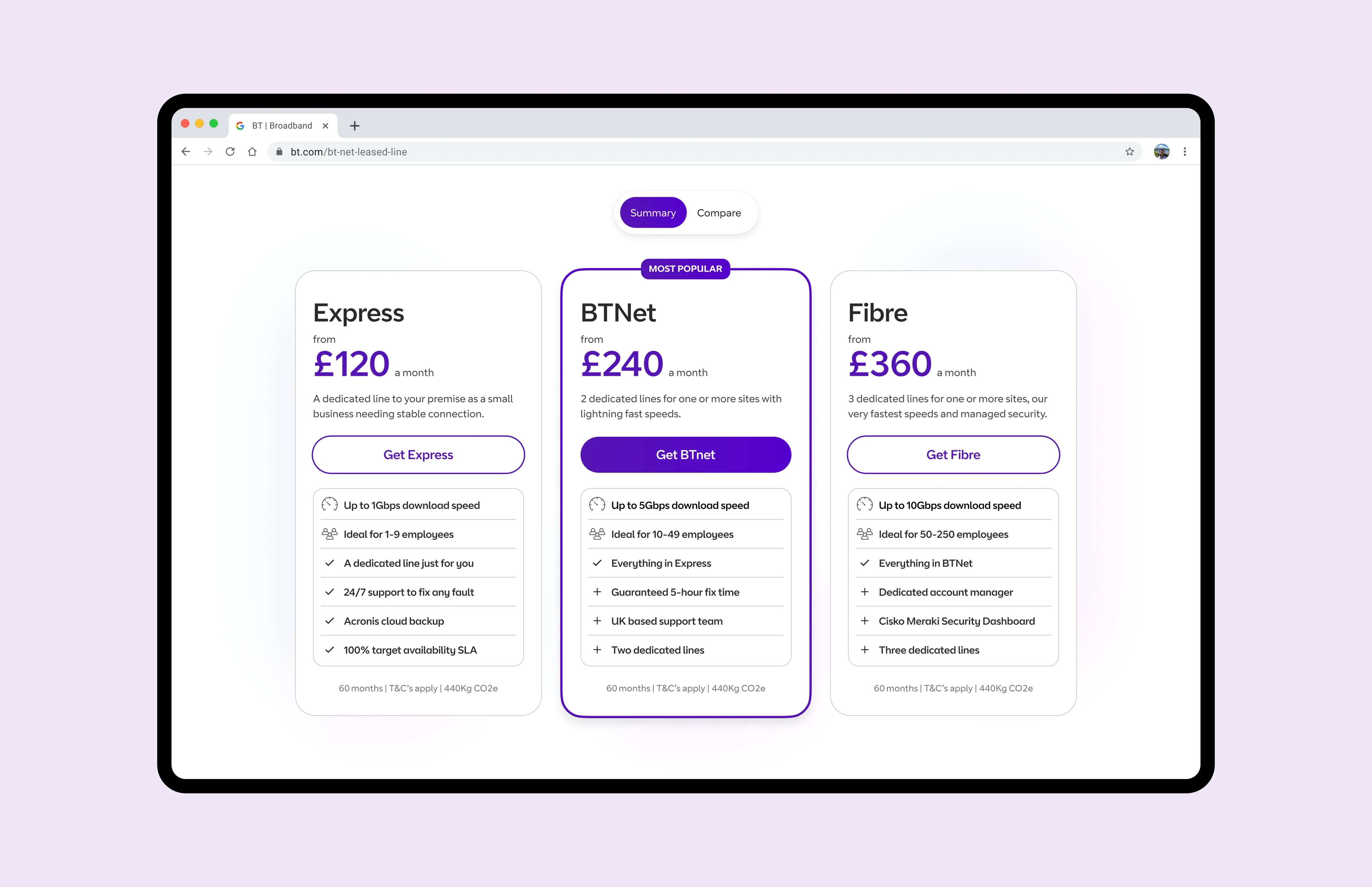
This project looked into completely re-imagining BT's web experience across the board. It involved defining and implementing a new brand language, analysing over 100 web pages, integrating emerging technology, creating an extended design system library, building reusable templates, and rigorously testing at every step of the process. These journeys were also designed in the absence of a valid success metric, as the purpose was for customers to learn about products with no existing digital way to track whether iterations were an improvement.
The Approach
Utilising the OST Model and Running Micro-Validation Tests
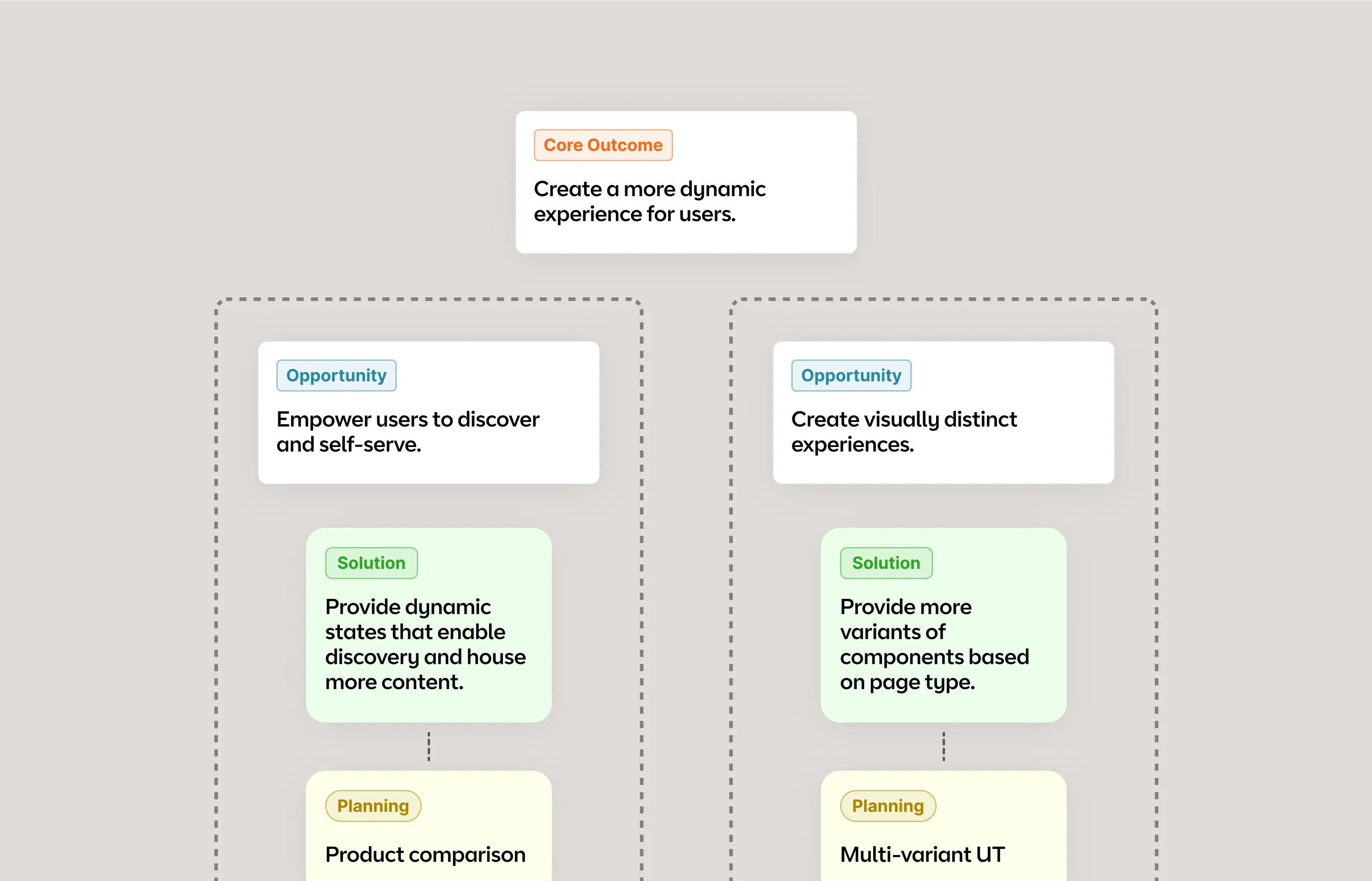
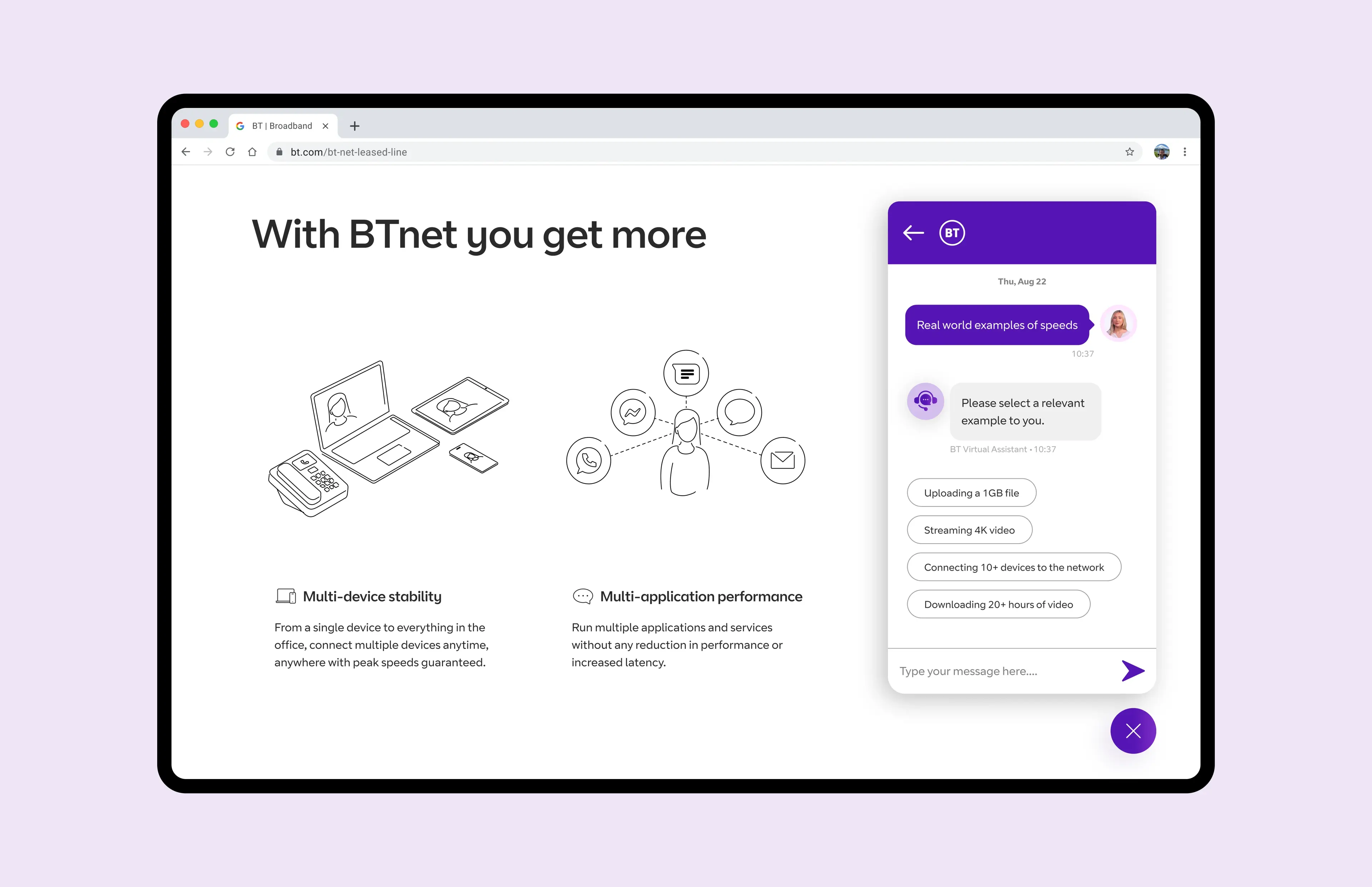
Given the breadth of the business ask, we leant on the Opportunity Solutions Tree model to define core themes. We ideated on solutions for these themes and ran multiple tests on small user groups with rapid prototyping, quickly validating ideas and identifying which were worth exploring further. Giving users more functionality encouraged discovery, helping them better understand product offerings and take action on next steps. Easier navigation and a decreased cognitive load through clear information hierarchy were central to the design philosophy.
The Solution
Creating a Testing Framework and Extended Design System
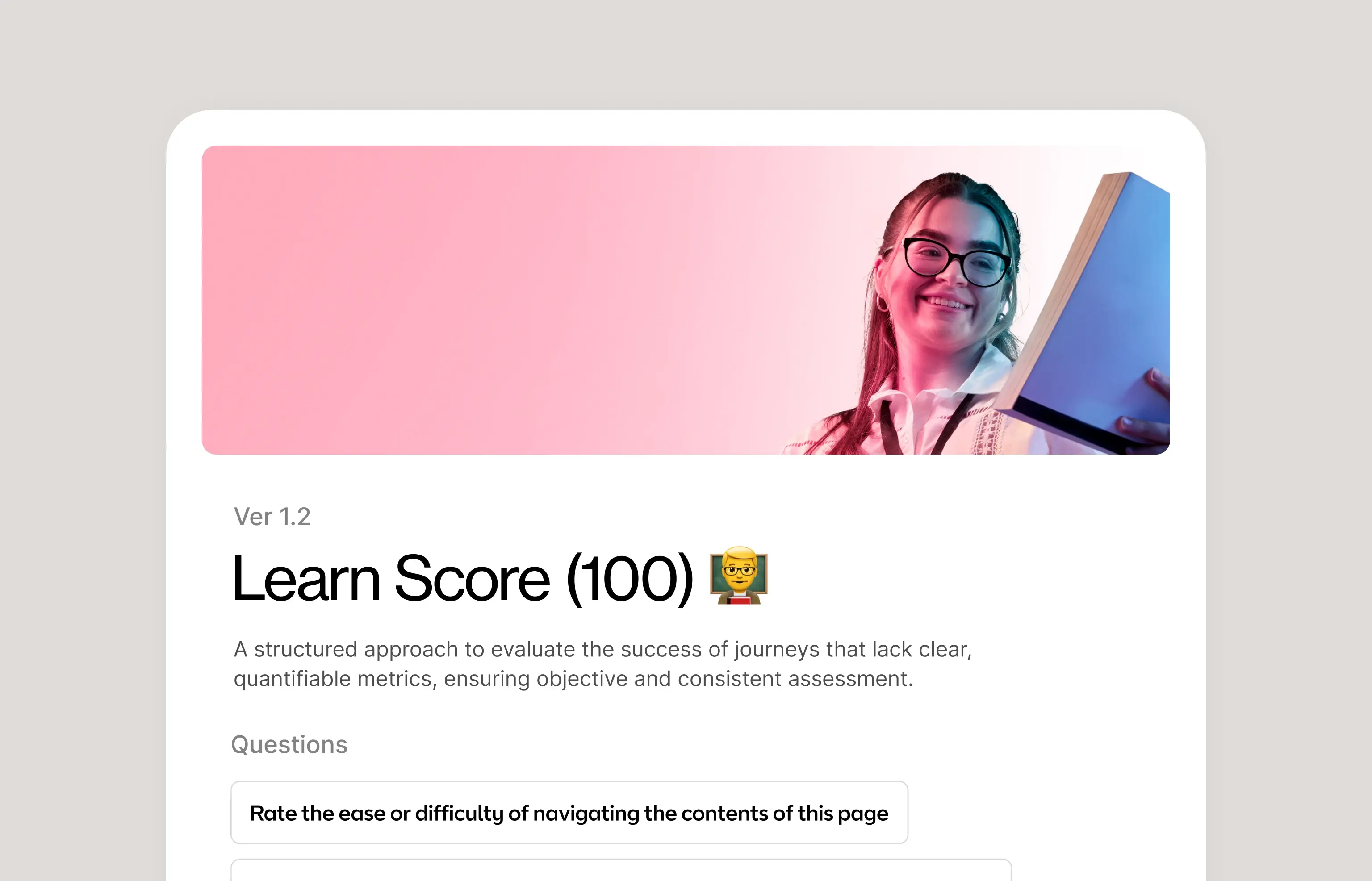
Given the scope of the affected journeys and the absence of valid success metrics, we developed the LEARN Framework, a bespoke testing methodology designed to measure the impact of design iterations. This involved crafting targeted questions aligned with both business objectives and design goals, each weighted to reflect their relative importance. Our re-imagined experiences won across all levels of testing conducted, and the work is now in the process of entering development within BT's new framework.
Outcome
Pages
Project